| Dr. Jean Hofve (www.LittleBigCat.com) recommends
avoiding wheat or corn products
of any type when selecting pet foods. They can be contaminated with
pesticides, molds and other toxins. Also, corn is commonly genetically
modified. Following this rule increases the safety of what you feed—many
recalls involve contaminated grains. For instance, the Menu Foods recall
in 2007 involved wheat gluten contaminated with the plastic melamine. A
Diamond Foods recall involved contaminated corn. We do not feed our pets
any food or treats with wheat, corn or soy products in them.
 Dr. Jean Hofve also has an excellent series of audio books on how to feed your
dog or cat:
How
NOT to Kill Your Cat or Dog - What the Heck Do We Feed Them Now? Go to
this page to order:
How NOT to Kill Your Pet. Dr. Jean Hofve also has an excellent series of audio books on how to feed your
dog or cat:
How
NOT to Kill Your Cat or Dog - What the Heck Do We Feed Them Now? Go to
this page to order:
How NOT to Kill Your Pet.
Dogs and cats are both carnivores, designed to eat whole prey animals, not
grains. However, grains are widely used in pet foods because they are cheap
fillers and sources of protein. Despite what the commercials say, pet foods were
not invented to improve the health of dogs and cats—they were invented for our
convenience and to make money. They have only been widely used since the middle
of the 20th century. We now think that feeding dry kibble is the "normal" way to
feed our pets and anyone who does otherwise is coddling their pet or just plain
weird. Even many veterinarians scold their clients for feeding something other
than an "approved" commercial pet food. However, commercial pet foods have been
fed for less than 100 years out of the thousands of years that humans have had
pets. How did our pets survive before then? Dogs were fed raw bones from the
butcher and table scraps. Cats typically lived outside and hunted and were fed
table scraps as well. If they lived on farms, they also drank raw milk, a very
healthy food. In other countries where pet foods are less widely used (such as
Italy), people often cook for their dogs, just as they do for their children.
Cats were domesticated by the Egyptians to protect their granaries from
rodents.
They were the perfect animal for the job since, as pure
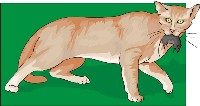 carnivores, they ignored
the grain and feasted on the rodents. And yet today we insist on feeding these
descendants of the African wildcat dry kibble that contains more grain than meat
because it is cheaper and more convenient. In fact, people think they are
"spoiling" their cat if they feed it canned food rather than kibble. For an
excellent reference on why cats should not eat dry kibble, read Dr. Jean Hofve's
article
Why Cats Need Canned Food. While dogs are more omnivorous than cats
(obligate carnivores needing 70-90% meat), their diet should still be 60-80%
meat with limited grains. So, why are we feeding dry kibble, which cannot be
manufactured with more than 50% meat because it literally gums up the kibble
making machines? Dry kibble is nutritionally equivalent to feeding meat-flavored
cookies to our pets. carnivores, they ignored
the grain and feasted on the rodents. And yet today we insist on feeding these
descendants of the African wildcat dry kibble that contains more grain than meat
because it is cheaper and more convenient. In fact, people think they are
"spoiling" their cat if they feed it canned food rather than kibble. For an
excellent reference on why cats should not eat dry kibble, read Dr. Jean Hofve's
article
Why Cats Need Canned Food. While dogs are more omnivorous than cats
(obligate carnivores needing 70-90% meat), their diet should still be 60-80%
meat with limited grains. So, why are we feeding dry kibble, which cannot be
manufactured with more than 50% meat because it literally gums up the kibble
making machines? Dry kibble is nutritionally equivalent to feeding meat-flavored
cookies to our pets.
To learn more about the problems with commercial pet foods
read our Holistic Choices e-Book
Save Your Dog or Cat
on optimal nutrition for your pet.
Click picture to order from our website
In our e-Book we discuss the following nutritional myths:
- Dry kibble cleans pets' teeth
- Raisins are healthy training treats for dogs
- Raw food is a dangerous "fad diet"
- Commercial pet foods provide a healthy, balanced diet
All these myths and other holistic questions are discussed in Optimum Choices'
e-Book,
Save Your
Dog or Cat. Based on our
90+ years of
holistic experience, we utilize our scientific degrees to research what dogs and
cats are really designed to eat. We compare our commercial pet foods with the
diet nature designed our pets to eat. By looking at the nutrient deficient foods
we serve our pets, you will understand
why our pets have a higher cancer rate
now than humans. According to the Morris Animal Foundation, nearly 50 percent of
natural deaths in older cats and dogs are attributed to cancer (63% for Golden
Retrievers, Kali’s Wish Cancer Foundation).
We go on to explain why most holistic vets recommend a home-cooked or raw meat
diet for dogs and cats.
If you cannot do a home-cooked or raw meat diet, we suggest you visit your local
natural pet supply store for suggestions on brands to
purchase. If you do not have a store near you or you would like home-delivered
food, we suggest
Life's Abundance pet food from (only available for shipping within the U.S.).
All
Life's Abundance foods are
formulated by famous holistic veterinarian, Dr. Jane Bicks, DVM. They are completely safe and have never been involved in a
recall.
If these expert dietary suggestions seem like too much
trouble or cost too much money, think about this final parting thought:
|










 The
The